
Understanding the Basics of Poker
To excel in poker, it is essential to have a solid understanding of the game’s foundational rules and mechanics. Poker is a game of skill, chance, and psychology. Familiarity with different game types like Texas Hold’em, Omaha, or Seven Card Stud can significantly impact your strategy. Each variant has its unique characteristics and requires tailored approaches, which new players must grasp before stepping into serious play. Additionally, looking into various canadian betting sites can help enhance your overall gaming experience, as a clear understanding of hand rankings, betting structures, and position at the table can set the stage for effective decision-making.
Moreover, comprehending the flow of the game—the stages of betting, the communities cards, and the implications of each action—creates a strategy informed by the context of events in play. Players should also familiarize themselves with basic terminology such as “bluffing,” “pot odds,” and “tell.” This foundational knowledge is critical when making game-time decisions and understanding opponents’ behaviors. Without mastering these basics, even the most seasoned players may falter under pressure.
Lastly, practice is key. Engaging in regular poker sessions, whether online or with friends, reinforces these concepts and allows players to refine their strategies. Using free poker games to simulate various scenarios can also be beneficial for new players. This hands-on experience helps solidify the knowledge gained and assists in building the confidence needed to compete in larger events or tournaments.
Mastering the Art of Bluffing
Bluffing is a cornerstone strategy in poker that can lead to significant advantages if executed correctly. It’s the art of making your opponents believe you hold a stronger hand than you actually do. Effective bluffing requires a keen understanding of your own playing style, your opponents’ tendencies, and the overall game dynamics. A well-timed bluff can push a player out of the pot and secure a win, even when your hand is weak. For example, if a player has a weak hand but is in a late position, they might bluff when the board suggests a strong possibility for others.
However, successful bluffing is not just about raising your bet. It’s also about reading your opponents. By observing their reactions and betting patterns, you can determine whether they are likely to fold or if they’re committed to the pot. Advanced players often incorporate strategic bluffing into their gameplay, suggesting confidence and control. This can also result in establishing a reputation that can be leveraged in future hands, as opponents may be less inclined to call you out on bluffs if they perceive you as a strong player.
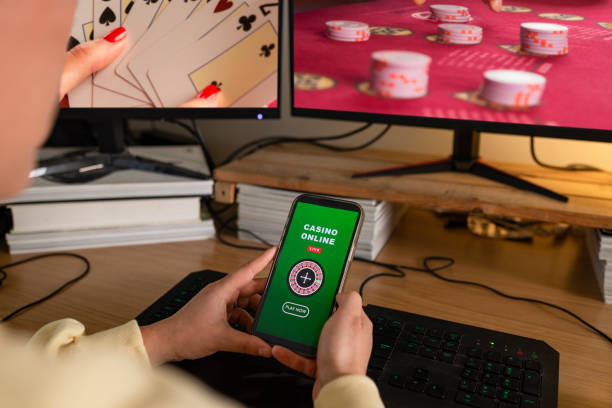
On the flip side, it’s crucial to avoid over-bluffing, as this can lead to being read by sharp opponents. Maintaining a balanced approach—bluffing less frequently but at optimal moments—enhances your strategy’s effectiveness. Learning to control when and how to bluff can elevate your poker game, making it a topic worth mastering for serious players aiming for success.
Position and its Importance in Poker
Your position at the poker table is one of the most influential factors affecting your strategy. Being in an early position generally means you act before most players, which offers limited information on how others might play their hands. This can restrict your betting options as you may have to make decisions with less insight. Conversely, being in a late position allows you to observe other players’ actions before making your move, granting you a strategic advantage. This enables you to play a wider range of hands and adjust your strategy based on opponents’ tendencies.
Understanding position also impacts the size of the pot. Players in later positions often have the opportunity to control the size of their bets with a clearer perspective on their opponents’ strength. For example, a player may choose to raise when they notice that the majority of players have checked, signaling weak hands. This nuanced understanding enables players to manipulate the dynamics of the game effectively. Knowledge of position can lead to more calculated and confident plays, ultimately enhancing overall performance.
Additionally, position is a critical aspect of adjusting your overall strategy against different opponents. Some players may adopt a more aggressive approach when in a favorable position, while others may prefer to play conservatively. Being adaptable to your position and understanding how to leverage it can make a significant difference in achieving long-term success at the poker table. Thus, mastering your position is not just about the cards you hold but also about how you utilize your place in the game’s structure.
Bankroll Management Techniques
Effective bankroll management is vital for maintaining longevity and success in poker. Without a carefully managed bankroll, players risk going bust, regardless of their skill level. A general guideline is to only play with a designated portion of your total bankroll, which may differ based on factors such as the type of game, stakes, or even personal risk tolerance. For example, some players choose to only use ten percent of their bankroll for a specific session, while others might adjust their strategies based on individual circumstances.

Successful bankroll management also involves setting win and loss limits for sessions. Many players establish a stop-loss strategy, where they leave the table if they reach a specific loss threshold. Conversely, setting win goals can help players know when to cash out, preventing the temptation to continue playing after reaching a profitable point. This kind of discipline plays a critical role in preserving one’s bankroll and ensuring that players can weather the inevitable ups and downs that come with poker.
Additionally, maintaining a dedicated bankroll for different stakes or formats of play can further enhance management strategies. For instance, players might have separate funds for cash games and tournaments, ensuring that they never mix funds and jeopardize their ability to continue playing. Ultimately, the key to effective bankroll management lies in discipline, planning, and a strategic approach that allows players to stay in the game for the long term.
Resources for Improving Your Poker Skills
Developing your poker skills requires access to quality resources that can aid in your education and provide opportunities for practice. Numerous online platforms offer tutorials, strategy guides, and forums where players can interact and share insights. Engaging with these resources enhances players’ understanding of advanced strategies, psychological tactics, and game theory, often leveling up their performance. Participating in poker communities can also provide players with feedback on their strategies and help identify areas for improvement.
Books on poker strategy are another excellent resource, featuring insights from seasoned players and experts in the field. These publications often cover essential topics such as reading opponents, bluffing techniques, and detailed analysis on specific game types. By studying these texts, players can gain theoretical knowledge that translates into practical application at the table. Moreover, attending poker workshops or seminars can offer hands-on experience and direct mentorship from professionals.
Lastly, online poker simulations and software tools can aid in analyzing gameplay and improving decision-making skills. Many of these applications allow players to play simulated hands or review past gameplay to identify strengths and weaknesses. Utilizing technology as a learning aid can significantly enhance skill development. With the right resources and commitment, any player can elevate their game and strive for mastery.
Recent Comments